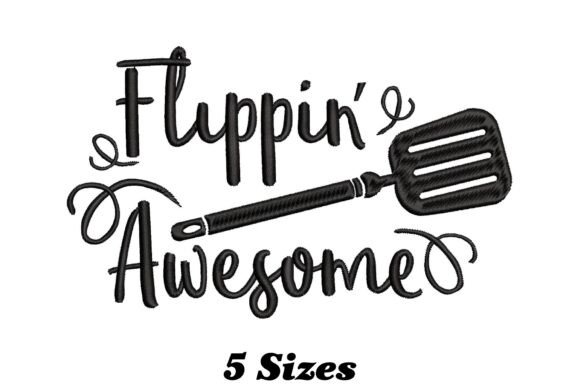
Flippin Awesome
First Impression: Quirky Charm Meets Kitchen-Ready Appeal
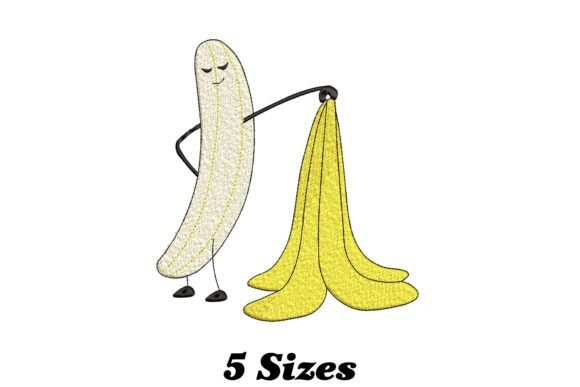
As an embroidery designer who’s prepped over 200 craft fair booths—and shipped thousands of embroidered kitchen goods—I opened Flippin Awesome expecting playful energy. I got it. The title alone lands with a grin: bold, conversational, and unapologetically fun. It doesn’t whisper “farmhouse elegance” or “minimalist calm.” It shouts *personality*. That’s gold at a handmade market—where shoppers scan tables in under three seconds and grab what makes them smile first. For the Kitchen category, this is refreshing: no roosters, no herb bundles, no vintage script. Just joyful irreverence stitched into something useful.
Where Flippin Awesome Shines on Craft Fair Products
In my booth setup—tote bags front-and-center, aprons draped over a ladder rack, tea towels folded beside embroidered pouches—Flippin Awesome stood out strongest on three items:
- Tea towel embroidery: On 100% cotton flour-sack towels, the design reads clearly even from six feet away. Its “fun and quirky flair” translates perfectly to kitchen utility—lighthearted but not childish, memorable but not loud.
- Tote bag design: Centered on natural canvas or oatmeal linen, Flippin Awesome balances visual weight and wit. It’s large enough to catch eyes in a crowded aisle, yet leaves room for branding or complementary stitching (like a tiny chili pepper or whisk icon nearby).
- Embroidered patch: As a sew-on or iron-on patch, it becomes a versatile product: customers buy it for jackets, lunchboxes, or DIY apron upgrades. Its charm scales down well—even at 3.5”, the phrase remains legible and spirited.
What Works (and What Needs Care) in Real Production
Flippin Awesome performs like a seasoned machine embroidery design—but only if you respect its rhythm. Here’s what I observed across fabric types and formats:
- Clarity at a glance: Yes. The phrase has strong letterforms and open spacing—no cramped kerning or overlapping elements. Customers instantly “get it,” which matters when they’re juggling kids, tote bags, and $5 lemonade.
- Size flexibility: It works beautifully as both a focal point (4.75”–5.5” wide on aprons or pillow covers) and a subtle accent (2.25”–3” on pocket flaps or cap brims). Avoid going smaller than 2” — fine details and small lettering risk blurring on textured towels or thick denim.
- Photography & mockups: This design photographs exceptionally well. Contrast pops on light and mid-tone fabrics, and its expressive tone translates cleanly to printable mockups for Etsy listings. Bonus: it looks handmade, not digitized—critical for boutique buyers who value authenticity.
- Batch production friendliness: Highly repeatable. No dense fill areas that cause thread breaks or excessive bobbin changes. Stitch density feels balanced—not sparse, not overwhelming. Ideal for turning out 30+ embroidered tea towels in a weekend.
Careful-Use Notes Every Embroidery Designer Should Know
Don’t skip testing—especially with Flippin Awesome’s personality-driven appeal. Here’s where attention prevents disappointment:
- Fabric texture matters: On looped terry cloth or heavily brushed cotton towels, tiny letter details can vanish. Use a medium-cutaway stabilizer and reduce top tension slightly to lift stitches above the pile.
- Dark fabric? Mind your thread colors: The description says “charming update”—not “high-contrast statement.” On navy or charcoal, opt for bright white or creamy ecru thread instead of pale yellow or mint; contrast ensures readability without sacrificing warmth.
- Curved surfaces need prep: For caps or curved pouch fronts, float the stabilizer and use a tear-away + cutaway combo. Test hoop placement—the phrase’s flow shouldn’t distort over seams or crowns.
- Avoid overloading small items: On 4” x 6” fabric pouches, center Flippin Awesome and leave generous margins. Crowding kills its breezy vibe.
How Flippin Awesome Elevates Your Handmade Product Strategy
This isn’t just another digital embroidery file. It’s a conversation starter, a booth differentiator, and a subtle brand amplifier. At craft fairs, I’ve watched customers pause, chuckle, and say, “I *need* that on my apron.” That emotional hook increases dwell time, lifts perceived value, and encourages add-ons—like matching embroidered oven mitts or a coordinating tea towel set. For Etsy sellers and small shop owners, Flippin Awesome strengthens brand consistency: it signals confidence, playfulness, and craftsmanship all at once. And unlike overly literal kitchen motifs, it invites reinterpretation—pair it with modern linens or vintage gingham, and it adapts.
Pro Designer Checklist Before You Stitch
Before cutting fabric or loading your hoop, run through these non-negotiables:
- Test the embroidery file on scrap fabric matching your final product (e.g., terry cloth for towels, twill for aprons).
- Check thread contrast—especially on dark or busy prints.
- Review spacing between letters and overall proportions in your embroidery software.
- Confirm hoop size compatibility with your machine and project (e.g., 5x7” works for most tea towels; 4x4” may require repositioning on larger items).
- Inspect stitch density visually—look for potential puckering or thin spots in curves or corners.
- Choose the right stabilizer: cutaway for stretchy knits, tear-away for stable wovens, fusible for lightweight linens.
- Create at least one real-life finished product—not just a digital mockup—to assess drape, hand-feel, and true-to-life impact.
- Compare how Flippin Awesome looks on multiple fabric colors—ivory, oat, navy, sage—to guide inventory decisions.
- Verify commercial embroidery rights before selling finished goods. If licensing isn’t explicit in the product description, contact the designer or platform before producing for resale.
Final Thought: A Small Design With Big Booth Energy
Flippin Awesome isn’t trying to be everything. It’s a focused, confident, highly usable Embroidery asset—one that delivers charm without clutter, clarity without compromise, and craft-fair-ready appeal without extra work. For makers building a cohesive line of handmade products—from market bags to giftable pillow covers—it’s the kind of design that sells itself… then brings customers back for more.