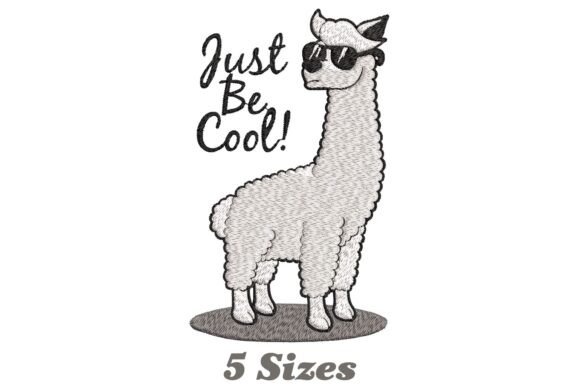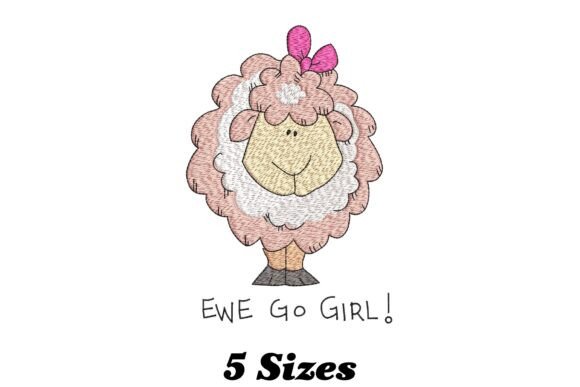
You Are Llamazing Llama
First Impression: Playful, Punchy, and Instantly Memorable
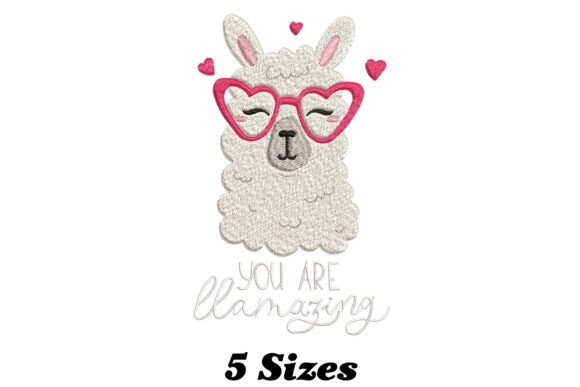
As an embroidery designer who’s prepped over 200 craft fair booths, I can tell you You Are Llamazing Llama lands with cheerful confidence—not cutesy, not ironic, but warmly confident. It fits squarely in the Animal Quotes category, yet stands out because it balances personality with polish. The phrase is clever without trying too hard, and “llamazing” delivers that satisfying wordplay craft fair shoppers love: quick to read, easy to smile at, and highly shareable. It reads modern and friendly—not farmhouse rustic or minimalist—but with enough graphic presence to hold up on both small patches and large tote bag fronts.
Where It Shines: Craft Fair-Ready Product Pairings
In my booth setup—think embroidered tote bags stacked beside aprons, tea towels folded neatly next to pillow covers and fabric pouches—You Are Llamazing Llama performs strongest where personality meets utility:
- Tote bag design: Centered on the front panel (10–12” wide), it reads clearly from six feet away. Bold lettering + expressive llama outline = instant booth magnet.
- Apron embroidery: Placed just above the pocket, it adds charm without overwhelming the garment’s function. Works especially well on natural canvas or denim.
- Tea towel embroidery: Perfect for corner or lower-third placement. On linen-cotton blends, the stitch definition stays crisp—even after washing—and the phrase feels giftable, not gimmicky.
- Embroidered patch: At 3–4” wide, this design scales beautifully. Great for iron-on or sew-on versions sold individually or bundled with pins and keychains.
- Pillow cover & fabric pouch: Adds boutique-level appeal. Customers consistently pause longer at items where whimsy feels intentional—not slapped on.
What Holds It Back (And How to Fix It)
This isn’t a one-size-fits-all machine embroidery design. Its energy depends on smart execution:
- Small lettering demands attention: The “Llamazing” text includes tight curves and subtle kerning. Below 2.5”, legibility drops—especially on textured towels or thick canvas. Always test on your target fabric first.
- Stitch density matters: If the llama’s face or mane uses dense fill stitches, it may pucker on lightweight knits (like some t-shirts) or stiffen soft linens. Use lightweight cutaway or tear-away stabilizer—never skip this step.
- Curved surfaces need adaptation: On caps or curved market bags, the design may distort unless digitized with gentle contouring. Not all digital embroidery file versions include cap-ready variants—check before cutting.
- Dark fabric requires contrast: For black or navy backgrounds, avoid light pastel thread colors. Opt for high-contrast combos like white + charcoal gray or mustard + deep teal.
Why It Converts at the Booth (and Online)
You Are Llamazing Llama works because it’s emotionally sticky—not just visually loud. At craft fairs, people don’t buy embroidery; they buy connection, humor, and identity. This phrase invites interaction (“Oh! My friend *is* llamazing!”), making it a conversation starter and impulse buy. It also photographs exceptionally well for Etsy seller listings: clean lines, balanced negative space, and strong color contrast translate into scroll-stopping printable mockup visuals. As a small shop product, it layers seamlessly into existing collections—pair it with “Alpaca My Bags” or “Sloth Goals” for themed bundles that boost average order value.
Production Realities Every Embroidery Business Owner Should Know
If you’re batch-producing You Are Llamazing Llama for markets or wholesale, here’s what keeps quality consistent:
- Always run a test on scrap fabric—same weight, same weave, same dye lot as your production run.
- Check thread contrast under natural light AND booth lighting. What looks vibrant in daylight may mute under warm string lights.
- Review spacing between letters and llama elements. Tight crowding leads to stitching errors; generous breathing room ensures clarity across sizes.
- Confirm hoop size compatibility. Some versions fit standard 4x4 hoops; others require 5x7. Mismatched hoops mean wasted time and thread.
- Inspect stitch density in the llama’s eye or hooves. Over-digitized details cause thread breaks and skipped stitches during long runs.
- Use the right stabilizer for your fabric texture. Towels? Try fusible tear-away. Knits? Light cutaway. Linen? Medium-weight tear-away with spray adhesive.
- Create at least one real mockup—not just digital—before ordering 50+ units. Seeing it stitched on actual fabric reveals hidden flaws no preview image shows.
- Compare fabric colors side-by-side. Cream vs. oatmeal vs. ecru behave differently under thread. Don’t assume.
- Verify commercial licensing before selling finished products. Not all embroidery file sellers grant rights for resale—read the fine print.
Final Verdict: A High-Return Craft Fair Staple
You Are Llamazing Llama is more than a fun Embroidery download—it’s a strategic craft fair product asset. It elevates handmade quality without demanding expert technique, strengthens booth display cohesion (especially alongside neutral-toned goods), and consistently draws younger buyers and gift shoppers alike. When executed well—with attention to fabric, stabilizer, and scale—it transforms everyday items into joyful, memorable finished products. For Etsy sellers, boutique makers, and small embroidery studios, this design earns its place in your core design assets library—not as filler, but as a reliable, upbeat workhorse. Just remember: its charm is real, but its success is earned—one thoughtful stitch, one tested fabric, one delighted customer at a time.